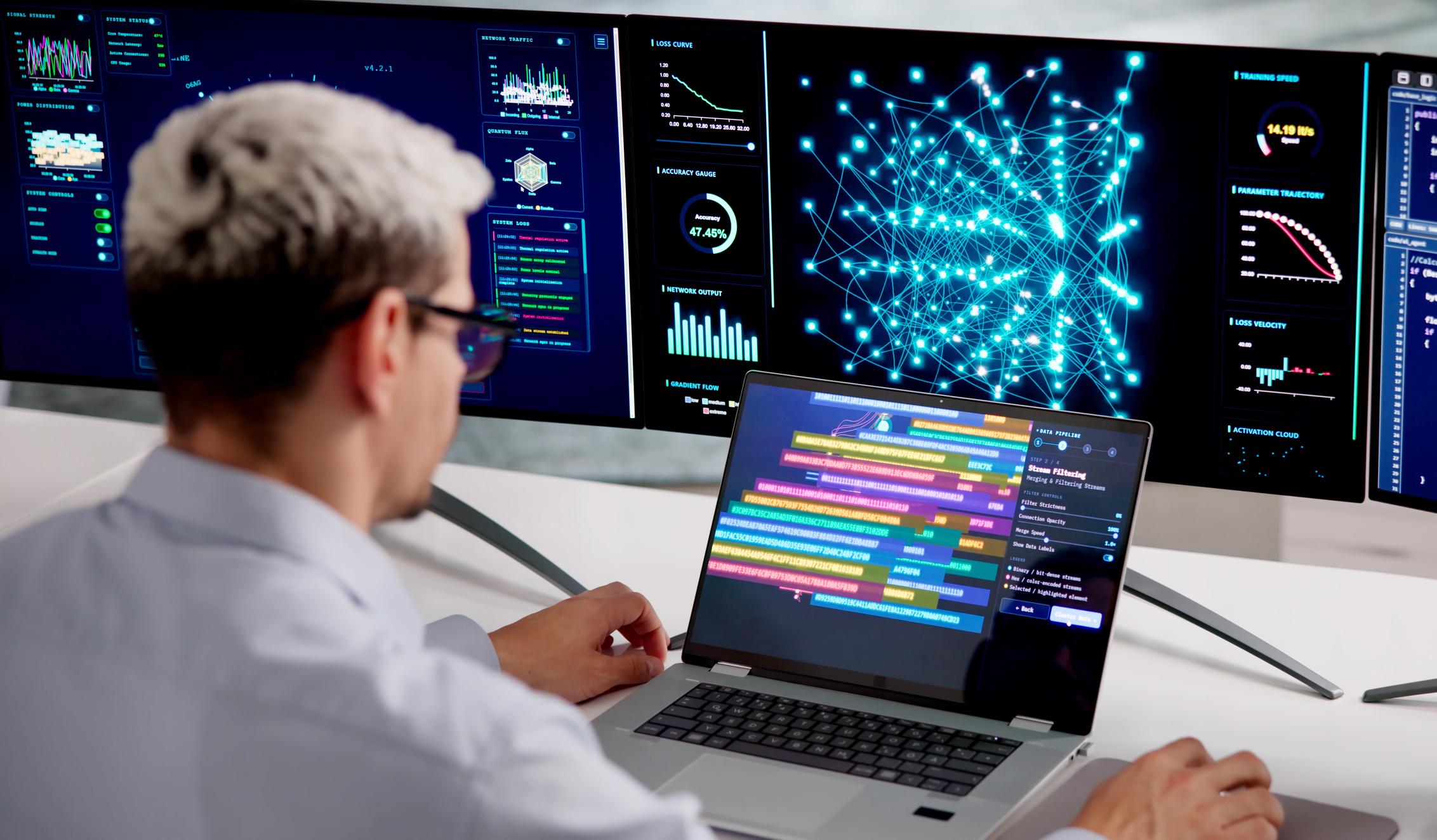
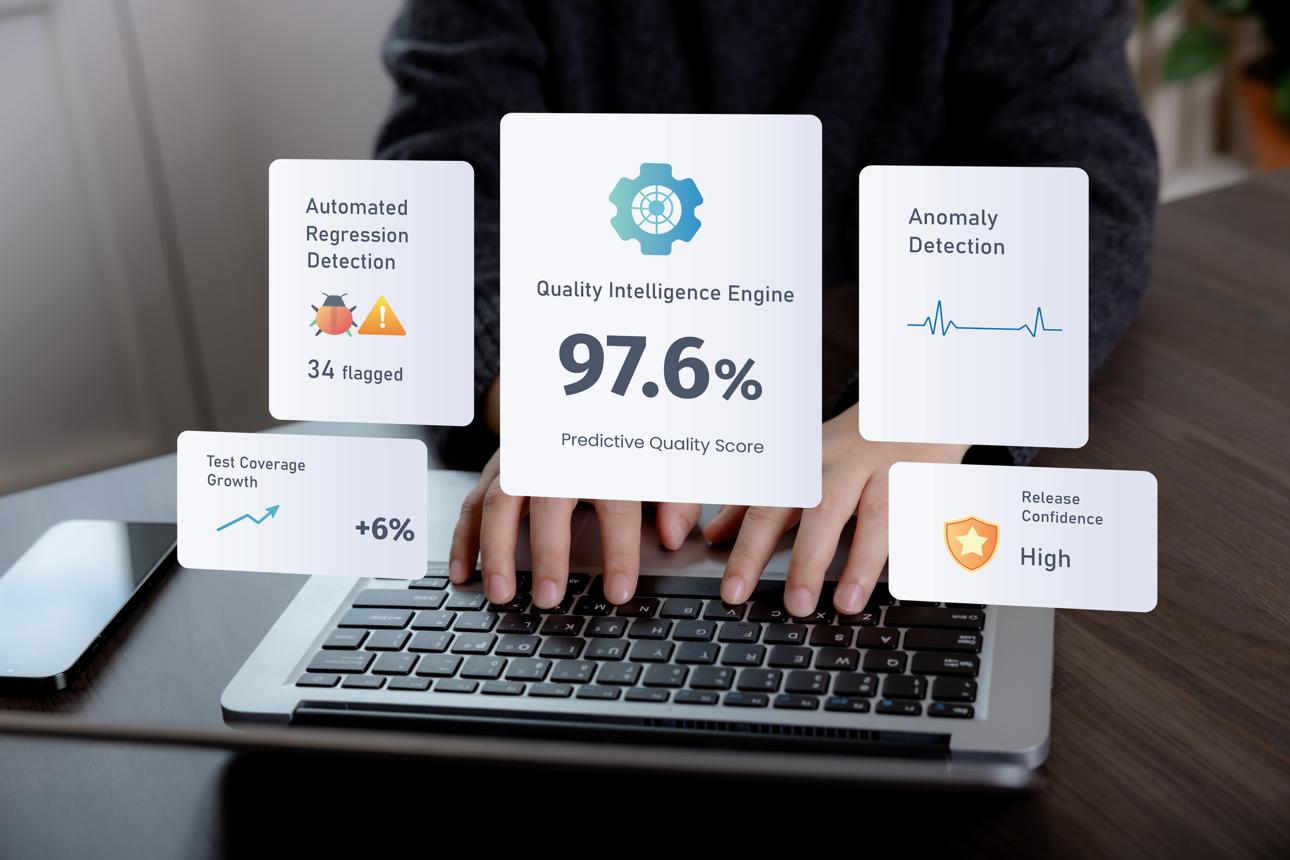
UK's First AI-Powered SKU Causality Engine

Stop the £27B
Returns Crisis. Fix the Why.

ReturnSense by SKU Causality Engine Group uses Bayesian AI, NLP, and GAN-powered diagnostics to identify the exact root cause of every product return giving UK e-commerce brands actionable "Monday Morning" fixes that protect margins in real-time.

90%+ Diagnostic Accuracy
5–8% Return Rate Reduction
<15min Batch Processing Time
LIVE DIAGNOSTIC
SKU Causality Dashboard
Active
£2.48M
Incremental Profit
92%
Prediction Accuracy
+28.7%
Causal Impact
Promotion Depth+23.6%
Price Discount+18.4%
Assortment Breadth+12.7%
Sizing Defect Rate−8.3%
Failure Fingerprinting What-If Simulation GDPR Compliant
£25.1B
UK non-food returns forecast for 2025
UK Retail Data
17.5%
World's highest online return rate UK market
Industry Research
71%
UK online shoppers are regular returners
2024–25 Survey Data
£13.10
Average cost to process a single return
UK Logistics Research
How ReturnSense Works

From Vague Return Data To
Precise Failure Fingerprints

SKU Causality Engine transforms fragmented return reason codes into granular, revenue-prioritised action intelligence through a four-stage AI diagnostic lifecycle.
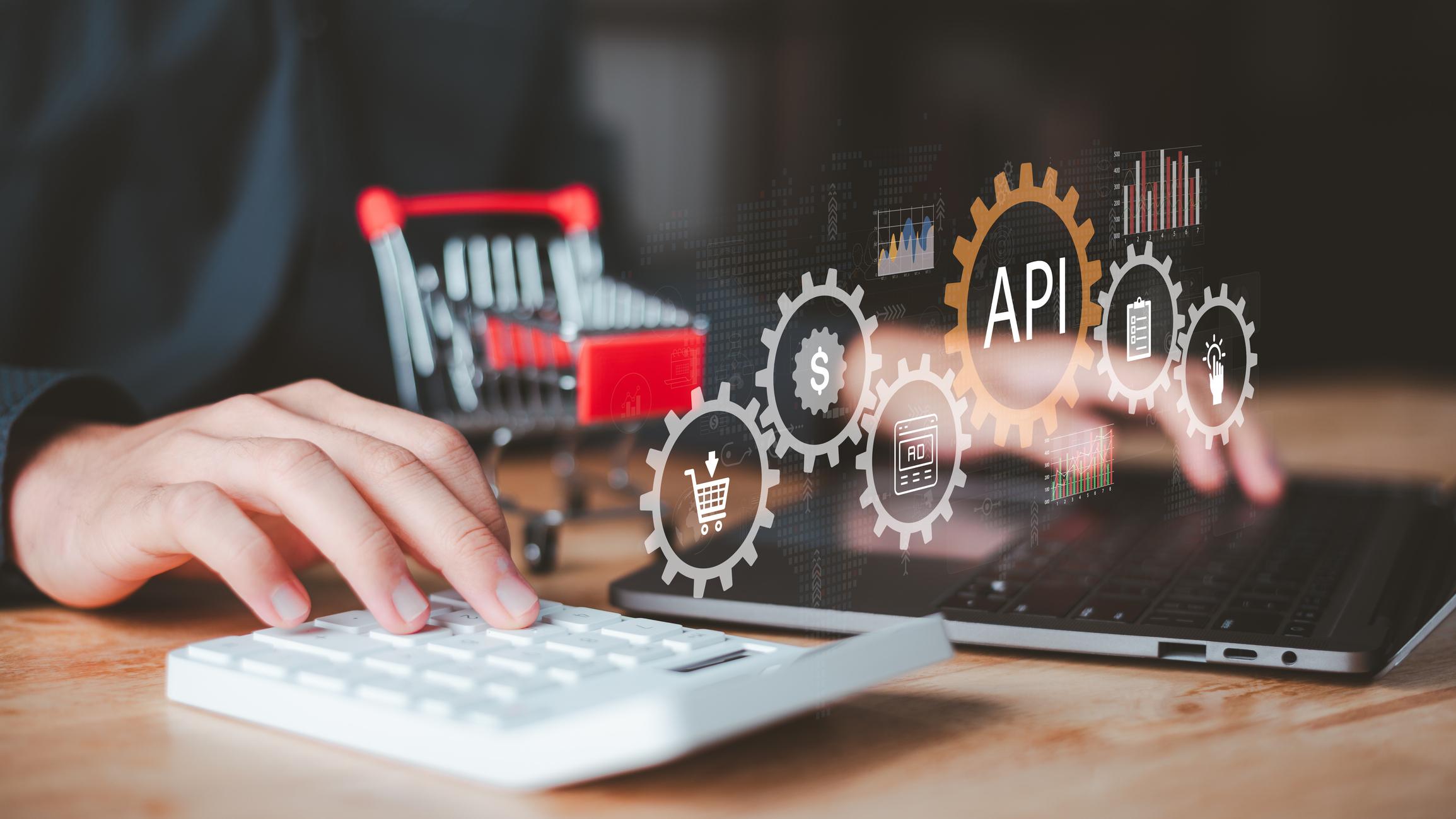
Data Ingestion
Connect · Step 01

Ingest & Connect

Plug-and-play API connects to Shopify, Magento, and Loop Returns in under 30 minutes. No changes to your existing stack required.

Causal Analysis
Diagnose · Step 02

Diagnose & Fingerprint

Bayesian networks and deep learning separate overlapping return triggers — sizing defect, batch fault, description mismatch — with 90%+ accuracy.

Action Lists
Simulate · Step 03

Prioritise & Simulate

The "What-If" module forecasts exact £-value savings per fix. Every Monday, ops teams receive a ranked action list tied to real margin recovery.
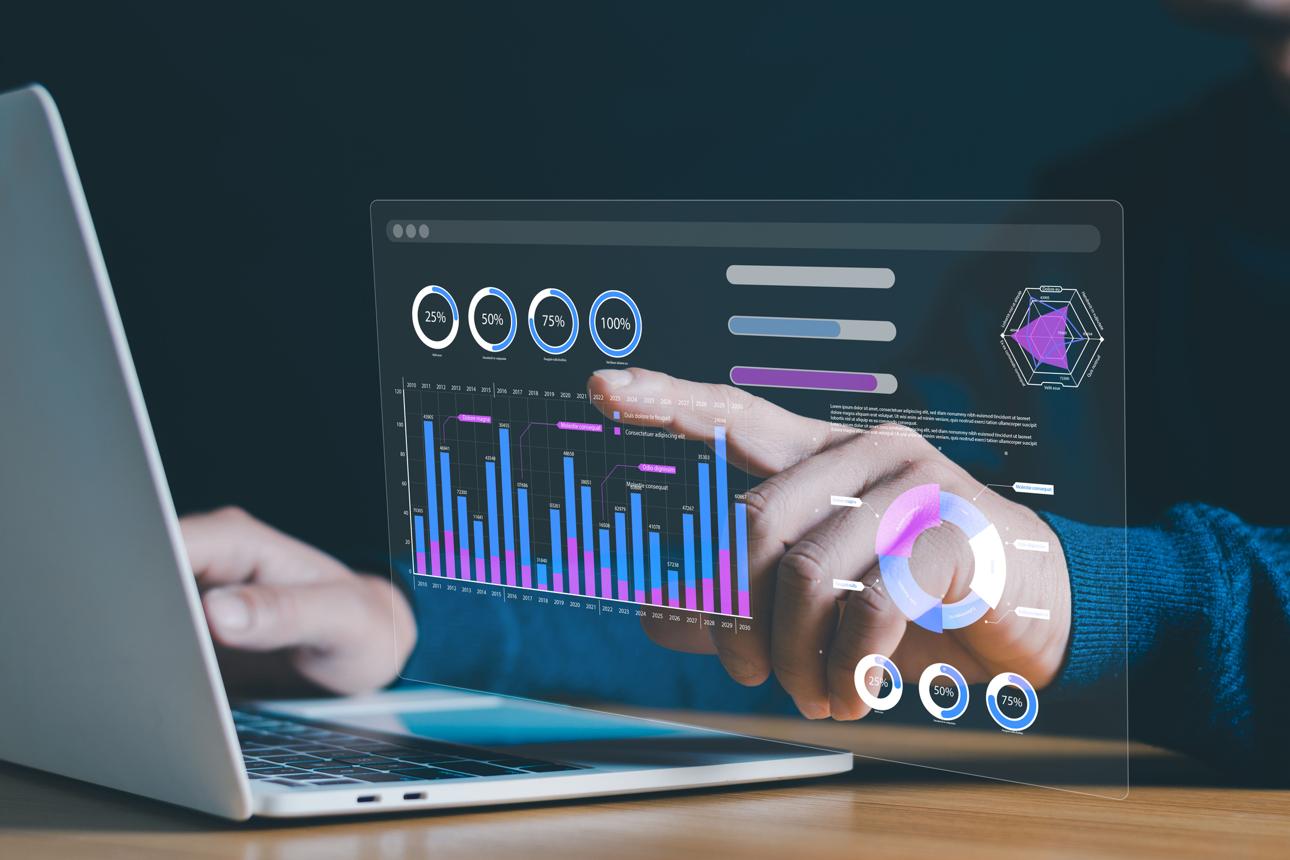
Continuous Learning
Evolve · Step 04

Monitor & Evolve

Persistent issue tracking across batches eliminates recurring defects. GAN-powered synthetic profiles predict new collection risks before they ship.

Core Platform Engines

Three Core Engines.
One Intelligent Returns Platform.

ReturnSense combines causal AI diagnostics, NLP sentiment analysis, and GAN-based predictive modelling into one scalable SaaS platform built exclusively for UK e-commerce.
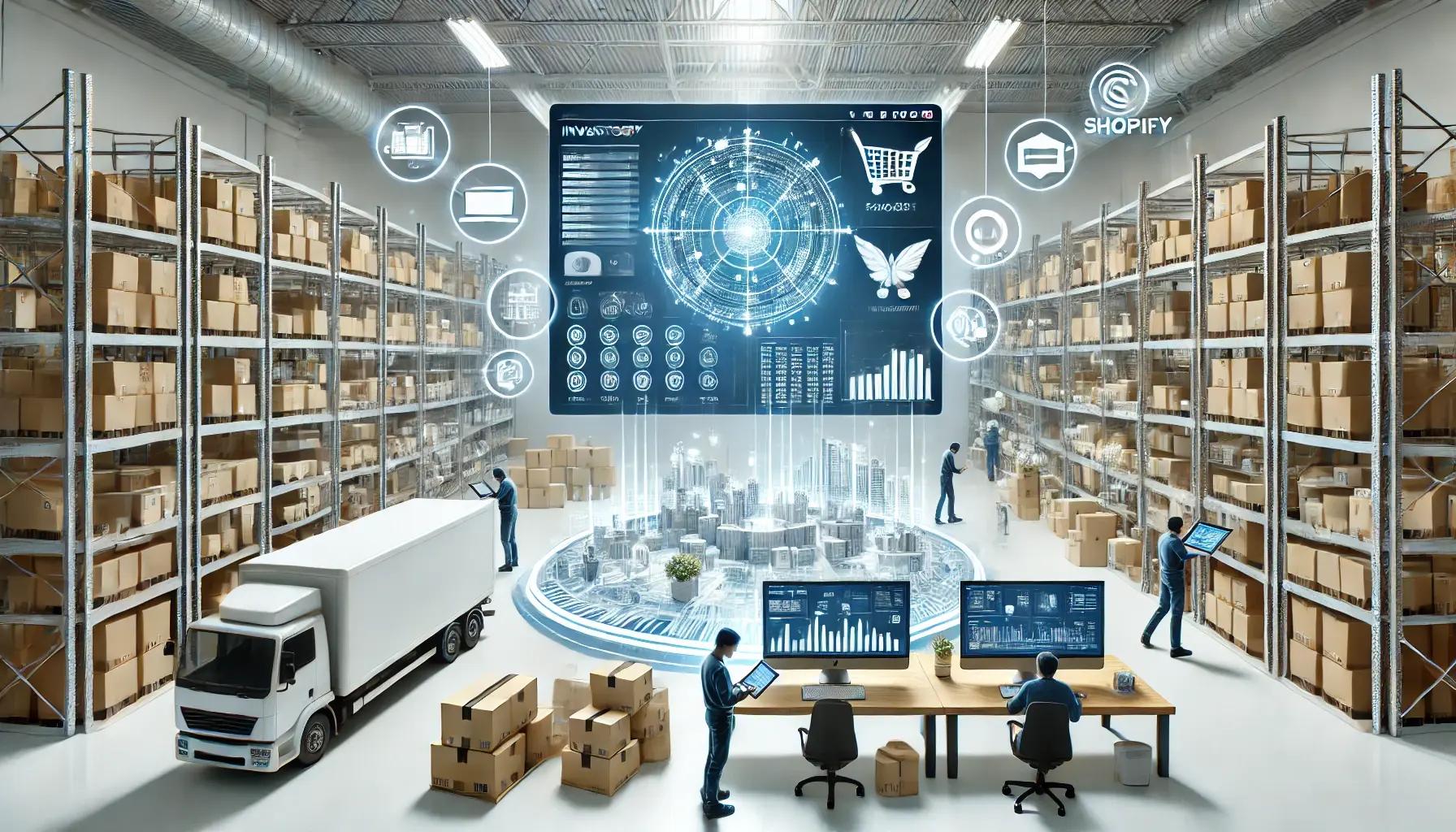
Failure Fingerprinting Engine
Engine 01

Failure Fingerprinting Engine

Identifies the specific "DNA" of why a SKU fails fabric quality vs. sizing inconsistency vs. digital description error rather than relying on vague customer codes.
Uses a hybrid architecture of Bayesian networks and deep learning (DenseNet + Transformer fusion) to decouple overlapping return triggers. Each SKU receives a persistent Failure Fingerprint tracked across seasons and batches.
NLP Sentiment Layer
Engine 02

NLP Sentiment Diagnostic Layer

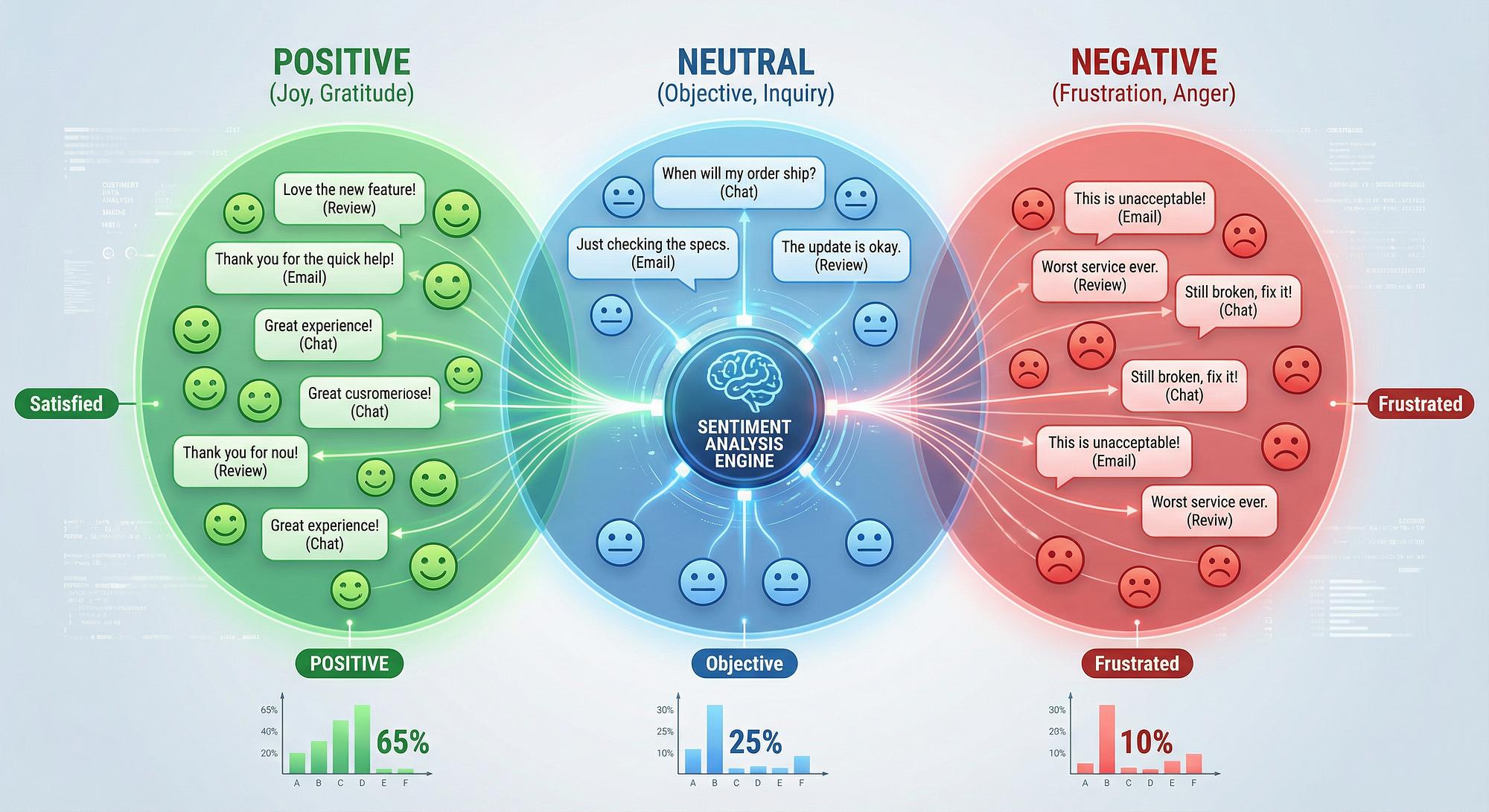
Digests free-text customer feedback, social mentions, and support tickets to capture the "tone" of the return identifying if a quality issue is an isolated defect or a growing brand-perception risk.

Validated against 10,000+ historical UK free-text return comments. The NLP layer correctly classifies unstructured complaints into actionable categories such as "loose stitching" vs. "wrong shade" vs. "sizing inconsistency."
GAN Predictive Engine
Engine 03

GAN Predictive Modelling

Generates synthetic failure profiles for new collections to solve the "cold start" problem predicting return risks before a product even ships, with no historical data required.
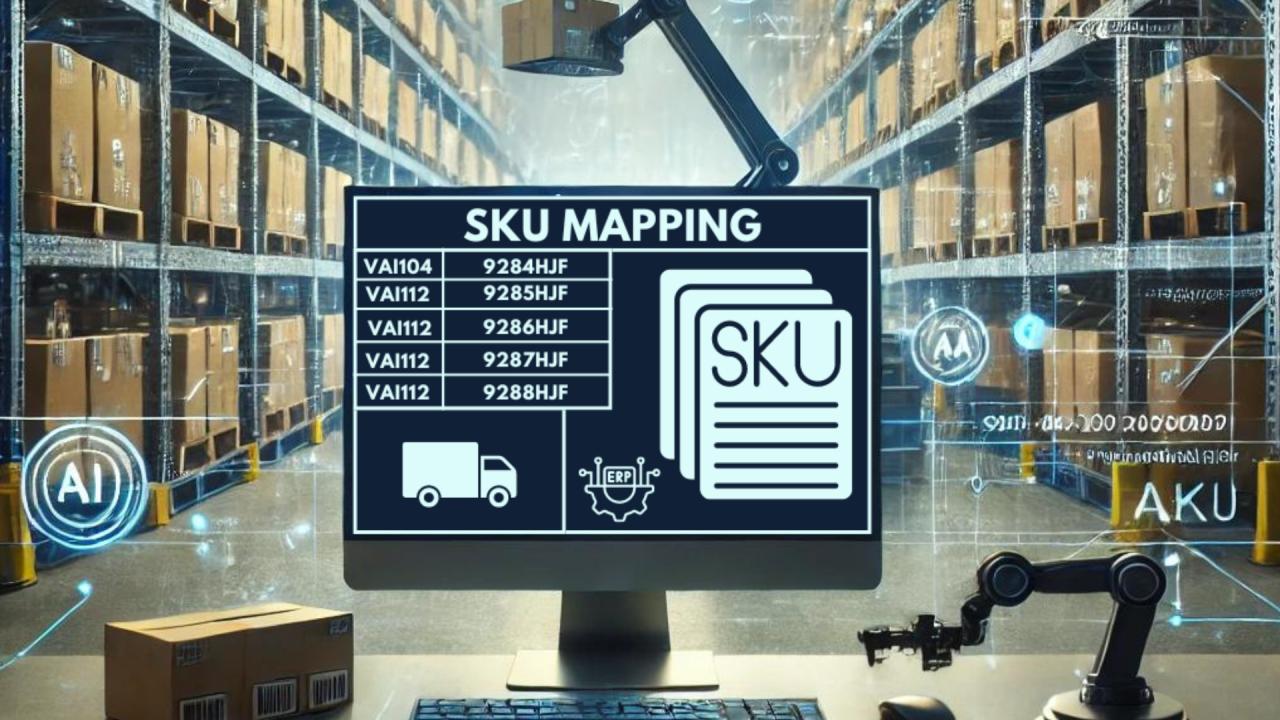

Our proprietary GAN-driven data moat generates realistic risk simulations based on silhouette, fabric, and manufacturing metadata. Smaller UK SMEs gain enterprise-grade predictive power without needing millions of data points per item.
Our Mission

Transforming the UK Returns Crisis Into a Source of Competitive Advantage

SKU Causality Engine Group (ReturnSense) was born from a critical operational gap in the UK's £27 billion e-commerce returns problem: brands can track what is being returned, but have zero diagnostic tools to understand why specific SKUs fail. The result is repeated inventory errors, wasted logistics spend, and eroding margins not because the products are poor, but because organisations lack the systems to isolate and fix the true root causes.

Our platform transforms fragmented return reason codes from a reactive cost into a governed, repeatable diagnostic intelligence system. We don't just count returns we model the causal "Failure Fingerprint" of every SKU across seasons and batches, creating a permanent operational asset that bridges the gap between the warehouse and the design team.

Founded by Pendlimadugu Sree Pravallika an MSc Project Management graduate (Distinction) from the University of the West of Scotland and former Quality Associate at Amazon ReturnSense encodes Amazon-standard root-cause analysis logic into a SaaS platform built specifically for the 12,000+ UK mid-market fashion and footwear brands currently haemorrhaging margins on avoidable returns.

Failure Fingerprinting Engine
GAN Synthetic Data Pipeline
NLP Sentiment Diagnostic Layer
What-If Revenue Simulation
Persistent Issue Tracking
Zero-Friction Shopify API
UK GDPR · Zero-PII Framework
Cyber Essentials Plus
Founder & CEO

Pendlimadugu Sree Pravallika

CEO · Platform Architect · Root-Cause Intelligence Lead

Sree brings a rare combination of high-standard operational experience and academic excellence to ReturnSense. With a Distinction in MSc Project Management from the University of the West of Scotland and extensive experience as a Quality Associate at Amazon, she specialises in root-cause analysis, incident management, and operational efficiency at global scale.

Her hands-on experience identifying manufacturing and logistical defects across Amazon's driver support operations directly informed the SKU Causality Engine's diagnostic logic. She personally validated the platform's "Failure Fingerprinting" architecture, ensuring it mirrors the same Amazon-grade quality standards used by global logistics leaders.

Growing the Team · Phase 2

Strategic UK Hires

Evidence-Based Recruitment Plan

SKU Causality Engine Group is building its core team through a phased, revenue-linked strategy: a Data Scientist (Computer Vision/NLP) to further refine the GAN-based synthetic data engine; an Operations Implementation Lead to manage Pilot-to-Contract conversion; and a Compliance Officer to oversee international data-sharing protocol expansion.

All hires are UK-based, aligned with the UK government's Pro-Innovation AI framework. By Year 5, the platform targets 38 UK jobs across technical development, operations, and global commercial functions creating a world-class returns intelligence capability from the UK.

The Platform

Every Layer of ReturnSense's Causal Intelligence Architecture

ReturnSense is a cloud-native, API-first SaaS platform built on a modular architecture React dashboards, Shopify/Magento integration layer, proprietary Bayesian causal data model, and UK GDPR-compliant cloud infrastructure designed to serve UK mid-market retailers without requiring in-house data science teams.

Failure Fingerprinting
Module 01

SKU-Level Failure Fingerprinting

Machine learning models that identify and encode the causal "DNA" of why specific SKUs fail sizing inconsistency, batch defect, digital description mismatch and store them as persistent, trackable failure profiles across seasons.

Each SKU establishes a unique Failure Fingerprint combining return trigger type, batch timestamp, manufacturing source, and customer sentiment score. This methodology is proprietary in its approach to decoupling overlapping causal signals, making the resulting benchmarks highly defensible and difficult to replicate without live UK pilot data.
Causal Inference Engine
Module 02

Decoupled Return Causation Engine

Automatically separates multiple overlapping return triggers using advanced Bayesian networks and deep learning. Moves beyond correlation (how many returns) to actual causality (exactly why this batch is failing).

Validated at 90%+ accuracy across pilot operational datasets. The engine identifies whether a return is caused by a manufacturing defect, a sizing inconsistency, or a digital description error in under 15 minutes per weekly batch making it mission-critical for front-line operations teams.
What-If Module
Module 03

Predictive "What-If" Revenue Module

Enables real-time simulations to predict exactly how return rates and profitability would change if specific product issues are corrected before implementation tied to a precise pound-value (£) recovery figure.

Every Monday, the engine delivers a ranked "Top 5 SKUs to Fix" list showing exactly how many pounds in saved returns each action represents. CFOs can approve inventory modifications with data-backed ROI before committing resources converting return management from a cost to a profit tool.
GAN Synthetic Data
Module 04

GAN-Based Synthetic Data Pipeline

Solves the "cold start" problem for new collections by generating synthetic failure profiles based on historical category metadata predicting return risks for new SKUs before they even ship.

One of our most significant innovations. Using Generative Adversarial Networks (GANs) trained on UK retail data, the engine creates realistic risk simulations based on silhouette, fabric, and manufacturing metadata. Competitors have no historical data for new SKUs we predict it. This establishes a defensible "data moat" that improves accuracy without needing millions of data points per item.
NLP Sentiment Layer
Module 05

NLP-Enriched Sentiment Layer

A federated NLP architecture that processes free-text customer comments, social mentions, and support tickets to continuously improve diagnostic models without sharing sensitive customer PII.

Sentiment patterns from high-return fashion categories in London can inform diagnostic strategy for footwear brands in Manchester. Provides anonymised, sector-specific benchmarks allowing SMEs to compare return causation rates against UK industry standards creating collective intelligence that new entrants cannot replicate.
Zero-Friction API
Module 06

Zero-Friction API Integration

A plug-and-play SaaS layer that connects directly to Shopify, Magento, and Loop Returns with sub-15-minute processing latency and zero technical debt for the client's existing stack.

Human-in-the-Loop Governance ensures that when the engine identifies a high-confidence causality requiring physical intervention (like a batch defect), it triggers an automated alert to the QC or warehouse team for physical verification maintaining operational precision while preserving trust between AI and human workforce.
Market Analysis

A £122M UK TAM. 12,000+ Underserved Brands. No Direct Competition.

The UK presents a structurally underserved market for ReturnSense. With 12,000+ mid-market fashion brands facing the world's highest return rates and no existing solution offering SKU-level causal diagnostics, the demand for returns intelligence is both urgent and commercially validated.

£25.1B
UK non-food returns forecast for 2025 creating immense pressure on mid-market brands to shift from "Free Returns" to data-driven profitability
UK Retail Data 2025
12,000+
Active UK online apparel brands in target SAM fashion, footwear, and homeware all facing the world's highest return rate of 17.5%
ReturnSense SAM Analysis
£122M
Total Addressable Market across UK retail and logistics landscape growing as brands pivot from "Free Returns" to data-driven profitability
ReturnSense TAM Model
UK Return Causation Categories
Primary causes of product returns by type across UK e-commerce sectors
Returns Value Gap SKU-Level Breakdown
Where UK retailers fail to diagnose the true cause of returns
Competitive Positioning UK Returns Intelligence Landscape
ReturnSense vs. existing platform categories across key capability dimensions
UK E-commerce Returns & Logistics Software Market Growth
Market expansion trajectory UK logistics software projected to reach £1.8B by 2028
ReturnSense vs Competitors Capability Score
Feature coverage comparison across returns diagnostic dimensions
Pricing Plans

Enterprise-Grade Returns Intelligence at Mid-Market Pricing

Three subscription tiers designed to scale alongside your brand's order volume and complexity from basic diagnostic access to full What-If simulation and dedicated ERP integration. All plans include the zero-friction API layer, weekly action lists, and UK GDPR-compliant data architecture. No in-house data scientists required.

Starter Plan

Basic Diagnostic

For emerging UK boutique brands beginning their returns intelligence journey structured causal diagnostics without complexity.

£199
/ month · per organisation
  • Diagnostic access up to 500 orders/month
  • Weekly "Monday Morning" action list
  • Basic Failure Fingerprinting
  • Shopify API integration
  • UK GDPR-compliant data storage
  • Basic compliance reporting
Enterprise Plan

Enterprise Tier

For scaled brands requiring custom ERP/WMS integration, unlimited orders, What-If simulation, and 24/7 dedicated support.

£599+
/ month · custom pricing available
  • Everything in Professional Tier
  • Unlimited order volume
  • Full "What-If" revenue simulation
  • Custom ERP/WMS API integration
  • GAN synthetic profile generation
  • 24/7 dedicated support + SLA
Pricing FAQs

Common Pricing Questions

Is ReturnSense more cost-effective than hiring a data science team?

+
A dedicated internal data science team for root-cause analysis can cost upwards of £60,000 per year. ReturnSense starts at £199/month less than 4% of that cost. Every price point is designed to be self-funding: by identifying just five avoidable SKU returns per week, the platform pays for its own annual subscription through recovered margins.

How quickly will I see ROI from ReturnSense?

+
Pay-back period is typically under 30 days via the "Monday Morning" action lists. The platform's "What-If" simulation module quantifies the exact £-value recovery before you implement any change, so ROI is measurable from day one. Pilot brands have reported a 5–8% reduction in return rates within the first season of use.

Are there add-on modules available separately?

+
Yes. Sector-specific diagnostic modules are available as annual add-ons: Fashion & Footwear Module at £499/year (deep-dive sizing variance and fabric sentiment analysis) and Homewares & Fragile Goods Module at £399/year (packaging failure causality and transit-damage diagnostics). Strategic Returns Audits are also available as one-time professional services at £2,500–£5,000 per audit.
Get In Touch

Request a Pilot Demo or Margin Discovery Session

As founder and CEO, Sree personally leads every pilot onboarding and is available to walk through the platform, answer technical questions, or explore whether ReturnSense is the right fit for your brand. No sales team. No automated sequences. Just a direct conversation with the person who built it.

I

Location

London, United Kingdom · UK-first platform, serving brands nationwide and internationally from Year 3.

II

Email

skucausalityenginegroupuk@outlook.com · Sree personally responds to all demo requests within 24 hours.

III

Phone

+44 7572 316041 · Available for calls Monday–Friday, 9am–6pm GMT.

How It Works

From Fragmented Return Data
to Proprietary Failure Fingerprints

ReturnSense operates as a closed-loop diagnostic intelligence lifecycle ingesting, diagnosing, simulating, and continuously evolving your organisation's SKU-level failure intelligence so the same errors are never repeated. Each phase builds on the last, turning raw return data into a permanent, auditable margin-protection asset.

The 6-Phase Diagnostic Lifecycle

A Complete Intelligence Loop Not Just a Returns Tool

Phase 01 · Connect

Zero-Friction API Integration in Under 30 Minutes

ReturnSense connects to your existing Shopify, Magento, or Loop Returns ecosystem with a plug-and-play API that requires no changes to your existing logistics stack. No IT project. No technical debt. No disruption to current operations.

Once connected, the cloud-based adaptive engine processes historical data to provide immediate "Day 1" insights ensuring a rapid time-to-value for busy operational teams managing hundreds of SKUs simultaneously.

Shopify Native Loop Returns API Sub-30min Setup
Phase 01 – Zero-Friction API Connection
Phase 02 · Diagnose

Decoupled Return Causation with 90%+ Accuracy

The Bayesian causal inference engine processes batch data, production timestamps, fabric specs, and free-text customer feedback to determine exactly why specific SKUs are failing separating a sizing error from a batch defect from a description mismatch in real time.

Unlike standard analytics that show return volume, ReturnSense provides causality: "SKU X has a 20% return rate specifically because the shoulder width is 1.5cm off-spec in the Q2 manufacturing batch." That level of precision is what turns a return cost into a solvable operational problem.

Bayesian Networks Deep Learning 90%+ Accuracy
Phase 02 – Causal Diagnosis
Phase 03 · Simulate

What-If Revenue Recovery Before You Commit

The "What-If" simulation module enables real-time revenue recovery forecasting: see exactly how many pounds your brand would save by updating a size guide, correcting a product photo, or pulling a defective batch before making any operational change.

Every Monday, operations managers receive a ranked "Top 5 SKUs to Fix" list tied to specific £-value recovery figures. CFOs can approve inventory modifications with data-backed ROI converting return management from a massive loss-leader into an automated profit-recovery engine.

£-Value ROI Monday Action Lists CFO-Ready Reports
Phase 03 – What-If Simulation
Phase 04 · Predict

GAN-Powered Prediction Before Collections Launch

The GAN Synthetic Data Pipeline solves the "cold start" problem: generating synthetic failure profiles for new SKUs based on historical category metadata predicting return risks before a single item ships. This is one of ReturnSense's most significant competitive differentiators.

Competitors like Loop Returns and ZigZag have no data for new collections. ReturnSense predicts it. This proprietary data moat grows with every deployment generating a self-reinforcing competitive advantage that becomes harder to replicate the longer we operate.

GAN Synthesis Pre-Ship Risk Score Cold Start Solved
Phase 04 – GAN Prediction
Implementation Timeline

From Sign-Up to First Insights: 30 Days

Week 1
API Connection & Data Sync
Zero-friction Shopify/Loop Returns API handshake. Historical data ingested and anonymised for diagnostic processing.
API Setup Data Sync
Week 2
Baseline Causal Analysis
Bayesian engine processes historical return data. Initial Failure Fingerprints generated for top 50 SKUs by return volume.
Fingerprinting Root Cause
Week 3
First Monday Action List
First revenue-prioritised action list delivered. Each SKU fix tied to a specific £-value margin recovery figure. What-If simulations activated.
Action List ROI Metrics
Week 4
GAN Predictive Models Live
Synthetic failure profiles generated for upcoming collection. Persistent issue tracking active. Seasonal Strategic Report delivered to design team.
GAN Active Full Pilot
Frequently Asked Questions

Everything You Need to Know
About ReturnSense

Common questions from UK brands, logistics managers, and 3PL partners considering ReturnSense for their returns intelligence strategy.

What exactly does ReturnSense diagnose?

+
ReturnSense diagnoses the true root cause of why individual SKUs are being returned not just how many. It identifies whether a return is caused by a manufacturing batch defect, a sizing inconsistency in a specific factory, an inaccurate product description, or a misleading product photograph. Unlike standard analytics platforms that only show return volume, we show causality with 90%+ accuracy in operational datasets.

How long does integration take?

+
The Zero-Friction API connects to Shopify, Magento, or Loop Returns in under 30 minutes. No changes to your existing logistics stack are required, and there is no technical debt. Once connected, the engine processes historical data immediately and delivers the first diagnostic insights on Day 1. The first full "Monday Morning" action list is typically delivered within 7–10 days of connection.

How does ReturnSense handle our customer data and GDPR?

+
ReturnSense implements a Zero-PII ("Privacy-by-Design") architecture. The system processes only SKU-level metadata and anonymised return reason codes it specifically excludes Personal Identifiable Information such as customer names, emails, or addresses. All training data is anonymised and encrypted. The platform is designed for full UK GDPR compliance and is undergoing Cyber Essentials Plus certification. ReturnSense acts as a Data Processor, maintaining a transparent DPA with all retail clients.

What is the "Monday Morning" action list?

+
Every Monday, the SKU Causality Engine delivers a ranked list of the top 5 SKUs to fix, showing exactly how many pounds in "saved returns" each action represents. Each recommendation is tied to a specific £-value recovery figure so operations managers and CFOs can immediately prioritise workload based on bottom-line impact. Lean teams at UK SMEs who don't have time for manual root-cause analysis on thousands of SKUs can act on these lists in minutes rather than days.

How is ReturnSense different from Loop Returns or ZigZag?

+
Loop Returns and ZigZag focus on the logistics of moving the return label generation, carrier networks, portal experience. They manage the return after it happens. ReturnSense owns the diagnostic layer that identifies why the return happened and how to stop it from recurring. We act as a "Diagnostic Overlay" to Loop: turning their logistical data into manufacturing intelligence. No existing competitor combines SKU-level causal decoupling with GAN-driven predictive simulations for return diagnostics.

What sectors does ReturnSense serve?

+
Phase 1 focuses on UK mid-market Fashion and Footwear brands (£500k–£10m annual turnover) where return rates average 27–40% and "bracketing" behaviour is most prevalent. Phase 2 expands to Homewares & Lifestyle brands. Phase 3 introduces international expansion into Germany and Australia markets with similarly high-return cultures. The Failure Fingerprinting logic is inherently adaptable to any product category sold online.

What is the "What-If" simulation module?

+
The What-If module enables real-time revenue recovery forecasting. It allows operations managers to see exactly how much money they would save by updating a size guide, correcting a product photo, or pulling a defective batch before implementing any change. The simulation architecture links specific operational interventions to forecasted revenue recovery in exact £-values, establishing a unique decision-support tool that no competitor currently offers.

Is ReturnSense available outside London?

+
The Phase 1 pilot focuses on UK mid-market brands to build UK-specific failure fingerprint benchmarks. From Year 2, the platform serves all UK regions including Manchester, Birmingham, Bristol, Scotland, Wales, and Northern Ireland. By Year 3, ReturnSense expands to German and Australian markets to capitalise on similar high-bracketing consumer cultures, with multi-currency and regional diagnostic adaptation built into the cloud architecture.
ReturnSense platform and team
Still Have Questions?

Talk Directly to Sree

As founder and CEO, Sree personally leads every pilot onboarding and is available to walk through the platform, answer technical questions, or explore whether ReturnSense is the right fit for your team. No sales team. No automated sequences. Just a direct conversation with the person who built it drawing on Amazon-grade quality standards and MSc-level project management expertise.

Sree Pravallika  Founder & CEO, SKU Causality Engine Group